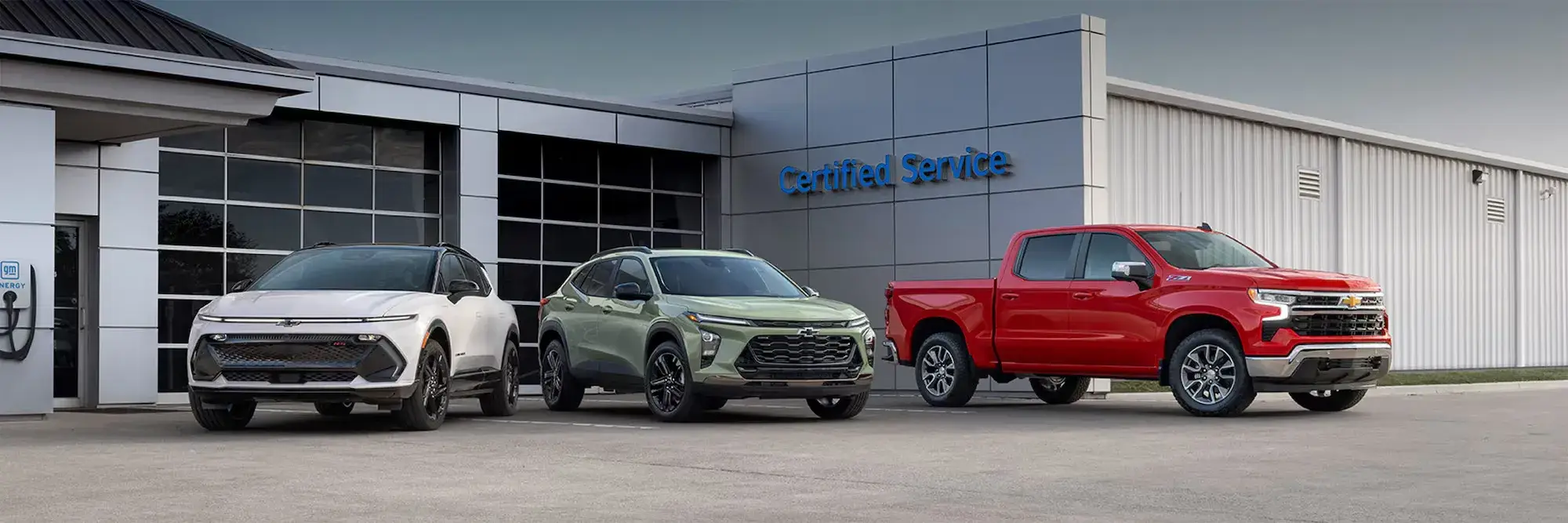
Mapping a Smarter Path Through Today’s Chevy Dealer Network
First, assess your needs before stepping into any showroom. Narrow the body styles and capabilities that fit your commute, cargo, and seasonal driving. Decide whether a daily driver, weekend hauler, or family shuttle best matches your routine. Define must-have safety tech and comfort features, and identify nice-to-have upgrades you could skip. By scoping priorities early, you buffer against impulse choices and keep every test drive focused on measurable fit.
Meanwhile, verify inventory realities across nearby locations. Some lots lean toward New and Used vehicles, while others emphasize specific trims or model years. Ask how frequently shipments arrive and whether dealer trades are common. Confirm how test drives are scheduled and what documentation you’ll need. When a candidate emerges, request a build sheet or features list to validate equipment. Keeping notes lets you compare apples to apples across multiple stops.
Beyond that, refine your powertrain strategy. If towing or payload is central, new trucks with proper axle ratios and cooling packages may serve best. When fuel savings drive the decision, cross-shop smaller engines or hybrid options if available. Urban routes might favor compact footprints, while rural commutes benefit from ground clearance and robust suspension. Trust road impressions more than spec sheets; a model that feels composed on familiar pavement usually wins long-term satisfaction.
Often, families gravitate toward Crossovers/SUVs for flexibility. Evaluate third-row access, cargo floor height, and seat-folding mechanisms. Inspect child-seat anchor accessibility and rear climate controls if passengers vary in age. Test visibility around thick pillars and mirrors. Calibrate expectations on maneuverability by threading through tight parking lots. A realistic load test—strollers, sports gear, or luggage—reveals whether the interior solves real-life transport tasks without compromise.
However, shoppers exploring Electric options should validate charging convenience and range buffers. Map daily miles, cold-weather impacts, and workplace charging policies. Ask about home charger guidance and whether the dealer can outline installation steps and typical timelines. Inspect regenerative braking modes during a drive and gauge ride quality over patchy streets. If your household has two cars, decide which trips shift to electric first to ease the transition.
Then, scrutinize the service center for long-term support. Observe the check-in flow, customer lounge, and posted technician certifications. Ask how they handle recalls, software updates, and parts lead times. Clarify routine maintenance intervals and whether weekend appointments exist. A transparent process for diagnostics and estimates reduces surprises later. Reliable communication—texts or calls—helps you track progress when repairs extend beyond a single day.
Next, document total ownership costs to keep budgets grounded. Compare insurance quotes across trims and powertrains. Validate expected maintenance intervals and tire sizes that might affect replacement costs. Investigate warranty coverage and what falls under wear items. If you plan to schedule service at varied times, check hours and transportation options, like loaners or shuttles, without assuming availability. Aligning finances early prevents friction after the honeymoon phase ends.
In practice, trade-in valuation can tilt decisions more than sticker numbers. Gather service records and photos to present your vehicle honestly. Inspect small items—tires, lights, wipers—that influence offers at the margin. Request written figures from more than one store to validate the range. If timing is flexible, gauge seasonality for peak desirability. A cleaner, well-documented trade makes negotiations shorter and more predictable.
Finally, stage your test drives to reflect real life. Replicate freeway merges, steep grades, and stop-and-go traffic you face most. Validate seat ergonomics and steering feel over longer stretches. Listen for wind or road noise at common cruising speeds. Try parking in tight spots to assess camera clarity and sensor tuning. A thorough route reveals how the vehicle will behave after novelty fades and daily patterns resume.
Ultimately, align dealer fit with your ownership plan. Some locations excel at quick turnarounds; others shine in product depth or flexible financing. Whether you favor new trucks, Crossovers/SUVs, or Electric options, the best choice pairs inventory with reliable aftercare. When you schedule service, expect clear timelines and consistent updates. By sequencing research, drives, and support checks, you validate not just a model, but a long-term partner.